The Hiking Man Hikes New Mexico

Brad the Hiking Man
Hiking in New Mexico offers adventurers a diverse array of landscapes to explore, from rugged desert canyons to towering alpine peaks. With its rich cultural heritage and stunning natural beauty, the Land of Enchantment beckons outdoor enthusiasts with a wealth of hiking opportunities. Trails wind through ancient forests, along bubbling streams, and into remote wilderness areas, providing hikers with a chance to connect with nature and discover hidden gems along the way. Whether exploring the otherworldly landscapes of White Sands National Park, summiting the majestic peaks of the Sangre de Cristo Mountains, or wandering through the enchanting landscapes of the Rio Grande Gorge, hiking in New Mexico promises unforgettable adventures and opportunities for exploration amidst some of the most spectacular scenery in the American Southwest.

La Luz Trail

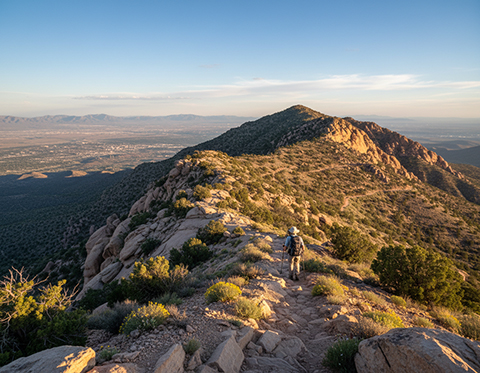
Hiking the La Luz Trail is considered one of the premier mountain hiking experiences in the American Southwest. Located in the Sandia Mountains just east of Albuquerque, the trail climbs dramatically from the desert foothills into cool high-elevation forests. The route is famous for its significant elevation gain, challenging terrain, and spectacular views overlooking Albuquerque and the Rio Grande Valley far below. Hikers begin in dry desert-like conditions among scrub oak and juniper before steadily ascending into pine and fir forests as the air becomes cooler and thinner with elevation.

 La Luz Trail

The La Luz Trail is physically demanding, gaining thousands of feet in elevation over many miles, but the scenery changes constantly throughout the climb. Rocky switchbacks lead through rugged canyons, exposed cliffs, and wooded ridges that provide increasingly expansive panoramic views. Along the route, hikers often stop at overlooks where the city of Albuquerque appears spread across the desert floor far beneath the mountains. Higher sections of the trail feature towering rock formations and cooler alpine-like environments that contrast sharply with the hot desert below. During autumn, golden aspens brighten parts of the mountainside, while summer thunderstorms can create dramatic clouds and shifting light across the valley.

One of the most memorable aspects of hiking the La Luz Trail is the dramatic environmental transition experienced during the ascent. Few hikes in the Southwest allow hikers to move so quickly from arid desert terrain into dense mountain forest ecosystems. Wildlife such as mule deer, hawks, chipmunks, and even black bears inhabit the area, though sightings vary by season and time of day. Many hikers complete the climb by reaching the upper crest near the Sandia Peak Tramway, where some choose to ride the tram back down after the strenuous ascent. With its demanding elevation gain, ever-changing scenery, and sweeping views of New Mexico’s high desert landscape, the La Luz Trail remains one of the state’s most iconic and rewarding hikes.

Nambe Lake Trail

Hiking the Nambe Lake Trail offers a beautiful alpine hiking experience in the high mountains of northern New Mexico. Located in the Santa Fe National Forest within the Sangre de Cristo Mountains, the trail climbs steadily through dense evergreen forests, mountain meadows, and rugged wilderness terrain. The route begins near the Santa Fe Ski Basin and gradually ascends into cooler, high-elevation landscapes filled with spruce, fir, and aspen trees. Many hikers appreciate the peaceful atmosphere of the trail, where the sounds of flowing creeks, wind through the trees, and distant birds replace the noise of city life.
Nambe Lake Trail

As the trail gains elevation, the scenery becomes increasingly dramatic with rocky slopes, wildflower-filled meadows, and expansive mountain views. During summer, colorful alpine flowers bloom along the trail while patches of snow may still linger in shaded areas near the higher elevations. In autumn, golden aspen groves create spectacular color against the dark evergreen forests and rugged peaks. The final stretch to Nambe Lake includes steeper terrain and rocky sections before reaching the secluded alpine lake nestled beneath steep mountain walls. The lake’s cold, clear water reflects the surrounding peaks and forests, creating one of the most scenic high-country destinations in northern New Mexico.

One of the most memorable aspects of the Nambe Lake Trail is the feeling of entering true mountain wilderness only a short distance from Santa Fe. Wildlife such as mule deer, marmots, hawks, and black bears inhabit the area, and hikers often encounter quiet stretches of trail where they feel completely surrounded by nature. Because the trail reaches high elevations, hikers should be prepared for rapidly changing mountain weather, cooler temperatures, and the effects of thinner air. Many visitors bring extra layers and plenty of water for the climb. With its alpine scenery, peaceful forests, and beautiful mountain lake destination, the Nambe Lake Trail is considered one of New Mexico’s finest mountain hikes.

Tent Rocks Slot Canyon Trail

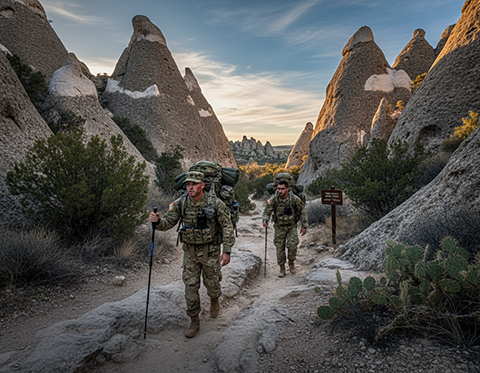
Hiking the Kasha-Katuwe Tent Rocks National Monument Slot Canyon Trail is one of the most visually unique hiking experiences in New Mexico. The trail is famous for its unusual cone-shaped rock formations, known as tent rocks, which were created by volcanic eruptions millions of years ago. Hikers begin by walking through open desert terrain dotted with sagebrush, juniper, and scattered pine trees before entering the narrow slot canyon section that gives the trail much of its appeal. Towering canyon walls rise steeply on both sides, creating a dramatic passageway carved by centuries of erosion from wind and water.
Tent Rocks Slot Canyon Trail

The slot canyon portion of the hike is narrow, twisting, and filled with smooth rock walls that glow with changing shades of tan, pink, and orange under the desert sunlight. In some places, the canyon becomes so tight that hikers can nearly touch both walls at once. As the trail climbs higher, ladders and steep rocky sections add a sense of adventure while revealing increasingly impressive views of the surrounding landscape. Eventually, hikers reach a scenic overlook above the tent rock formations where expansive views stretch across mesas, volcanic terrain, and distant mountain ranges of northern New Mexico. The contrast between the strange rock formations and the wide-open desert scenery makes the hike especially memorable.

One of the most fascinating aspects of the Tent Rocks Slot Canyon Trail is the extraordinary geology visible throughout the route. The cone-shaped tent rocks were formed when layers of volcanic ash and pumice hardened and were gradually sculpted by erosion over thousands of years. Wildlife such as ravens, lizards, rabbits, and hawks are commonly seen in the monument’s desert environment. Because the trail is exposed to strong sun and can become very hot during summer, hikers are encouraged to carry plenty of water and begin early in the day. With its narrow slot canyons, volcanic rock formations, and sweeping desert views, the Tent Rocks Trail remains one of the most distinctive and photographed hikes in the American Southwest.

Wheeler Peak Trail

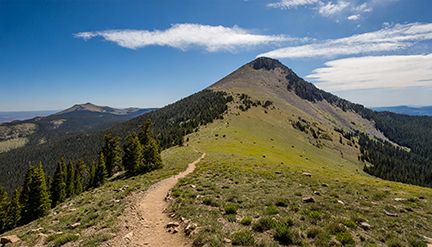
The Wheeler Peak Trail offers hikers a challenging yet rewarding trek to the summit of the highest peak in the state. Starting from the Taos Ski Valley, this iconic trail ascends through alpine forests, meadows, and rocky terrain, ultimately leading adventurers to the breathtaking summit of Wheeler Peak, standing tall at 13,161 feet above sea level. The trailhead serves as the starting point for this exhilarating journey into the heart of the Sangre de Cristo Mountains.
 Wheeler Peak Trail

As hikers venture along the Wheeler Peak Trail, they are treated to stunning views of the surrounding mountain landscapes, with towering peaks, verdant valleys, and alpine lakes dotting the horizon. The trail follows a series of switchbacks and rocky ridgelines, gaining elevation steadily as it winds its way towards the summit. Along the way, hikers may encounter a variety of alpine wildlife, including marmots, pikas, and elusive mountain goats.

The highlight of the Wheeler Peak Trail is reaching the summit of Wheeler Peak itself, where hikers are rewarded with sweeping panoramic vistas of the surrounding wilderness. From this lofty vantage point, adventurers can marvel at the rugged beauty of the Sangre de Cristo Mountains, with views that extend as far as the distant peaks of Colorado and beyond. With its challenging terrain and breathtaking views, the Wheeler Peak Trail offers outdoor enthusiasts an unforgettable hiking experience amidst the natural beauty of New Mexico's high alpine wilderness.

Dripping Springs Trail

Hiking the Dripping Springs Natural Area Trail near Las Cruces offers a beautiful blend of desert scenery, mountain landscapes, and regional history. Located in the foothills of the Organ Mountains, the trail gradually climbs through rocky canyons lined with desert plants such as yucca, agave, cactus, and mesquite. Towering cliffs and rugged granite peaks rise dramatically above the trail, creating a striking contrast against the bright blue skies of southern New Mexico. The hike is especially popular because it combines relatively easy walking with impressive scenery and several historical points of interest along the route.
Dripping Springs Trail

As hikers continue deeper into the canyon, the trail passes the ruins of an old resort and sanitarium that once attracted visitors seeking the cool mountain springs and dry desert climate. Stone walls and remnants of buildings provide a glimpse into the area’s past while blending into the rugged desert environment. The trail eventually reaches Dripping Springs itself, where water slowly seeps from the rock face and supports pockets of green vegetation uncommon in the surrounding desert landscape. Cottonwood trees, ferns, and shaded areas near the springs create a refreshing contrast to the dry terrain below. During spring, wildflowers bloom throughout the canyon, adding color to the rocky landscape.

One of the most appealing aspects of the Dripping Springs Trail is the combination of accessible hiking and dramatic southwestern scenery. The Organ Mountains create a spectacular backdrop throughout the hike, especially during sunrise and sunset when the cliffs glow with shades of orange and red. Wildlife such as roadrunners, lizards, rabbits, hawks, and mule deer are commonly seen in the area. Because temperatures can become extremely hot during summer afternoons, many hikers begin early in the morning and carry plenty of water. With its desert beauty, mountain views, historic ruins, and peaceful springs, the Dripping Springs Trail provides one of southern New Mexico’s most rewarding and scenic hiking experiences.

Catwalk Trail

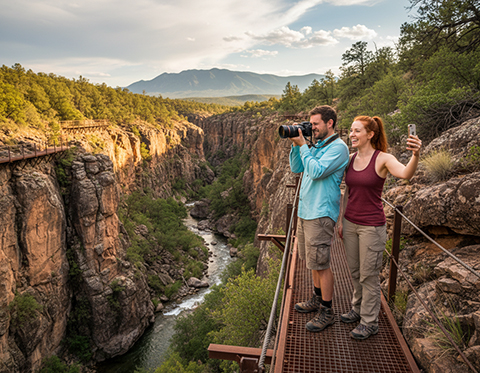
Hiking the Catwalk National Recreation Trail is one of the most unusual and scenic hiking experiences in southwestern New Mexico. Located in the Gila National Forest near the small community of Glenwood, the trail follows a narrow canyon carved by Whitewater Creek through steep volcanic rock walls. The route is famous for its elevated metal walkways, or “catwalks,” which are attached directly to the canyon walls above the rushing creek. These suspended pathways create a dramatic hiking experience where visitors travel through tight canyon passages while listening to the sound of flowing water echoing through the gorge.
Catwalk Trail

The Catwalk Trail combines rugged canyon scenery with a fascinating history connected to New Mexico’s mining era. In the late 1800s, the original catwalks supported a pipeline that carried water from the canyon to nearby mining operations. Modern versions of the walkways now allow hikers to safely explore sections of the canyon that would otherwise be inaccessible. Along the trail, hikers pass waterfalls, pools of clear water, and smooth rock formations sculpted by centuries of erosion. The canyon walls rise sharply overhead, creating cool shaded conditions that provide relief from the desert heat common in the surrounding region.

One of the most memorable aspects of the Catwalk Trail is the contrast between the dry mountains of southwestern New Mexico and the lush stream environment hidden within the canyon. Cottonwood trees, mosses, and ferns thrive along the creek while birds, butterflies, and small wildlife are often seen near the water. During periods of heavier rainfall, the creek becomes more powerful and the waterfalls more dramatic, though hikers must remain aware of possible flash flood conditions in narrow canyon areas. The trail is generally considered easy to moderate, making it accessible to a wide range of visitors. With its suspended walkways, colorful canyon walls, flowing creek, and historical significance, the Catwalk Trail remains one of New Mexico’s most distinctive and enjoyable hikes.

Williams Lake Trail

Hiking the Williams Lake Trail is one of the most popular mountain hikes in northern New Mexico, offering spectacular alpine scenery in the Sangre de Cristo Mountains near Taos. The trail begins near the Taos Ski Valley and climbs steadily through cool forests of pine, fir, and aspen trees. Hikers follow a mountain stream through a scenic canyon where the sound of rushing water accompanies much of the ascent. The combination of forested paths, rocky slopes, and high mountain air creates a classic Rocky Mountain hiking experience that feels very different from the desert landscapes commonly associated with New Mexico.
Williams Lake Trail

As the trail climbs higher, the scenery becomes increasingly dramatic with wildflower meadows, rocky ridgelines, and expansive views of surrounding peaks. During summer, colorful alpine flowers bloom beside the trail while patches of snow may linger in shaded areas near the higher elevations. In autumn, golden aspen groves make the hike especially beautiful as bright yellow leaves contrast against dark evergreen forests and blue mountain skies. The destination is Williams Lake itself, a cold alpine lake resting beneath the steep slopes of Wheeler Peak, the highest mountain in New Mexico. The clear water reflects the surrounding cliffs and forests, creating a peaceful and photogenic mountain setting.

One of the most rewarding aspects of the Williams Lake Trail is the sense of alpine wilderness reached within a relatively moderate distance. The cool mountain climate and high elevation provide relief from the heat found in lower parts of the state, but hikers should still be prepared for rapidly changing weather and thinner air. Wildlife such as marmots, mule deer, hawks, and chipmunks are commonly seen along the trail, especially during quieter morning hours. Many hikers continue beyond Williams Lake toward Wheeler Peak for an even more strenuous adventure. With its beautiful mountain lake, forested canyon scenery, and dramatic alpine views, the Williams Lake Trail is considered one of New Mexico’s finest high-country hikes.

Alkali Flat Trail

The Alkali Flat Trail in White Sands National Park, New Mexico, offers hikers a unique and surreal experience amidst the world's largest gypsum dunefield. Starting from the visitor center, this moderate trail winds its way through the undulating dunes of the park's Alkali Flat area, providing adventurers with an opportunity to explore the starkly beautiful landscapes and pristine gypsum sand formations. The trailhead serves as the starting point for this captivating journey into the heart of one of New Mexico's most iconic natural wonders.
 Alkali Flat Trail

As hikers venture along the Alkali Flat Trail, they are enveloped by an otherworldly landscape of shimmering white sand dunes, sculpted by wind and time into mesmerizing patterns and shapes. The trail meanders through the heart of the dunefield, offering stunning views of the surrounding mountains and desert vistas. Along the way, hikers may encounter unique desert flora and fauna adapted to the harsh conditions of the dunefield, including resilient plants like the Soaptree Yucca and desert creatures like the bleached earless lizard.

The highlight of the Alkali Flat Trail is experiencing the sheer beauty and tranquility of the gypsum dunefield, with its endless expanse of pristine white sand stretching as far as the eye can see. Visitors can hike to the top of the dunes, slide down the sandy slopes, or simply wander through the ethereal landscape, immersing themselves in the quiet solitude of the desert wilderness. With its surreal scenery, unique geological features, and opportunities for adventure and exploration, the Alkali Flat Trail offers a truly unforgettable hiking experience amidst the natural beauty of White Sands National Park.

Pine Tree Trail

Hiking the Pine Tree Trail in the Organ Mountains-Desert Peaks National Monument offers a beautiful transition from desert foothills into cool mountain forest. Located near Las Cruces at the Aguirre Springs Recreation Area, the trail is known for its scenic loop route and impressive views of the rugged Organ Mountains. Hikers begin among desert vegetation such as yucca, prickly pear cactus, and piñon-juniper woodlands before steadily climbing higher into more heavily forested terrain. The dramatic rock spires of the Organ Needles rise overhead throughout much of the hike, creating one of the most recognizable mountain landscapes in southern New Mexico.
Pine Tree Trail

As the trail gains elevation, the scenery changes noticeably and ponderosa pine trees begin to dominate the landscape, giving the trail its name. The higher sections provide cooler temperatures and sweeping views across the Tularosa Basin and the surrounding desert valleys far below. Rocky sections of trail and moderate elevation gain make the hike feel adventurous without being overly technical. During spring and summer, hikers often encounter blooming wildflowers along the route, while autumn brings crisp mountain air and colorful foliage in sheltered canyon areas. The contrast between the dry desert below and the pine-covered slopes above is one of the most memorable aspects of the hike.

One of the reasons the Pine Tree Trail is so popular is the combination of accessibility and dramatic scenery. The loop route allows hikers to experience constantly changing views of the Organ Mountains, including towering cliffs, rocky canyons, and distant desert plains. Wildlife such as lizards, hawks, rabbits, and mule deer are often seen along the trail, especially during quieter morning hours. Because the area can become very hot during summer afternoons and portions of the trail are exposed to strong sunlight, hikers are encouraged to carry plenty of water and start early in the day. With its mix of desert landscapes, mountain forests, and panoramic views, the Pine Tree Trail remains one of the signature hikes in southern New Mexico.

Middle Fork Trail

Hiking the Middle Fork Trail in the Gila Wilderness offers a classic backcountry experience through one of the most remote and historic wilderness areas in the United States. The trail follows the Middle Fork of the Gila River through rugged canyon country filled with towering cliffs, flowing water, and dense riparian vegetation. Unlike many desert hikes in the Southwest, the route stays close to the river for much of its length, creating a surprisingly lush environment with cottonwood trees, willows, and grassy meadows. The peaceful sound of flowing water accompanies hikers throughout much of the journey, adding to the sense of isolation and natural beauty.
Lake Serene Trail

One of the defining features of the Middle Fork Trail is the large number of river crossings required along the route. Hikers repeatedly wade through the cool waters of the Gila River as the trail shifts from one side of the canyon to the other. These crossings add adventure and make the hike especially refreshing during warmer months. Along the trail, hikers encounter hot springs, rocky canyon walls, waterfalls, and expansive meadows where elk and deer are sometimes visible. The surrounding mountains and forests create a dramatic wilderness setting that changes constantly as the canyon twists deeper into the backcountry. During spring and early summer, wildflowers bloom beside the river while migratory birds fill the canyon with sound.

The Middle Fork Trail is widely regarded as one of New Mexico’s premier wilderness hikes because of its combination of scenery, solitude, and historical significance. The Gila Wilderness was the first designated wilderness area in the United States, and hiking here provides a strong sense of untouched natural landscape. Wildlife sightings can include wild turkeys, black bears, hawks, and even occasional mountain lions, though most animals avoid human contact. Because the route is remote and involves numerous water crossings, hikers should be prepared with proper footwear, navigation awareness, and supplies for changing conditions. With its flowing river, rugged canyon scenery, and deep wilderness atmosphere, the Middle Fork Trail provides one of the Southwest’s most memorable backpacking and hiking experiences.

https://www.summitpost.org/ https://www.hikingproject.com/